Legal
Swissness Legislation: Who Can Use the Swiss Cross and 'Swiss Made' Label

Stefan Brunner
Senior Legal Advisor
12 April 2026
7 min read
Only products and services that meet category-specific thresholds may carry a "Swiss Made" claim or the Swiss cross. Industrial products need at least 60% of manufacturing costs incurred in Switzerland plus one essential manufacturing step there; food needs 80% of raw material weight from Switzerland; services need a registered office and key management decisions in Switzerland. These rules, set by the MSchG and WSchG, have been enforced by the IGE since 1 January 2017. Registering a company in Switzerland alone does not grant the right.
The Swissness Act: background and scope
The Swissness Act is the informal name for the 2017 package of legislative changes that tightened the rules around use of Swiss geographical indications and the Swiss cross. Before 2017, the rules were vague and inconsistently enforced — allowing many companies to use "Swiss Made" claims with minimal genuine Swiss content. The 2017 reforms introduced product-category-specific quantitative thresholds, defined what counts as a "Swiss" manufacturing step, and gave the Institut fur Geistiges Eigentum (IGE/IPI) clearer enforcement authority.
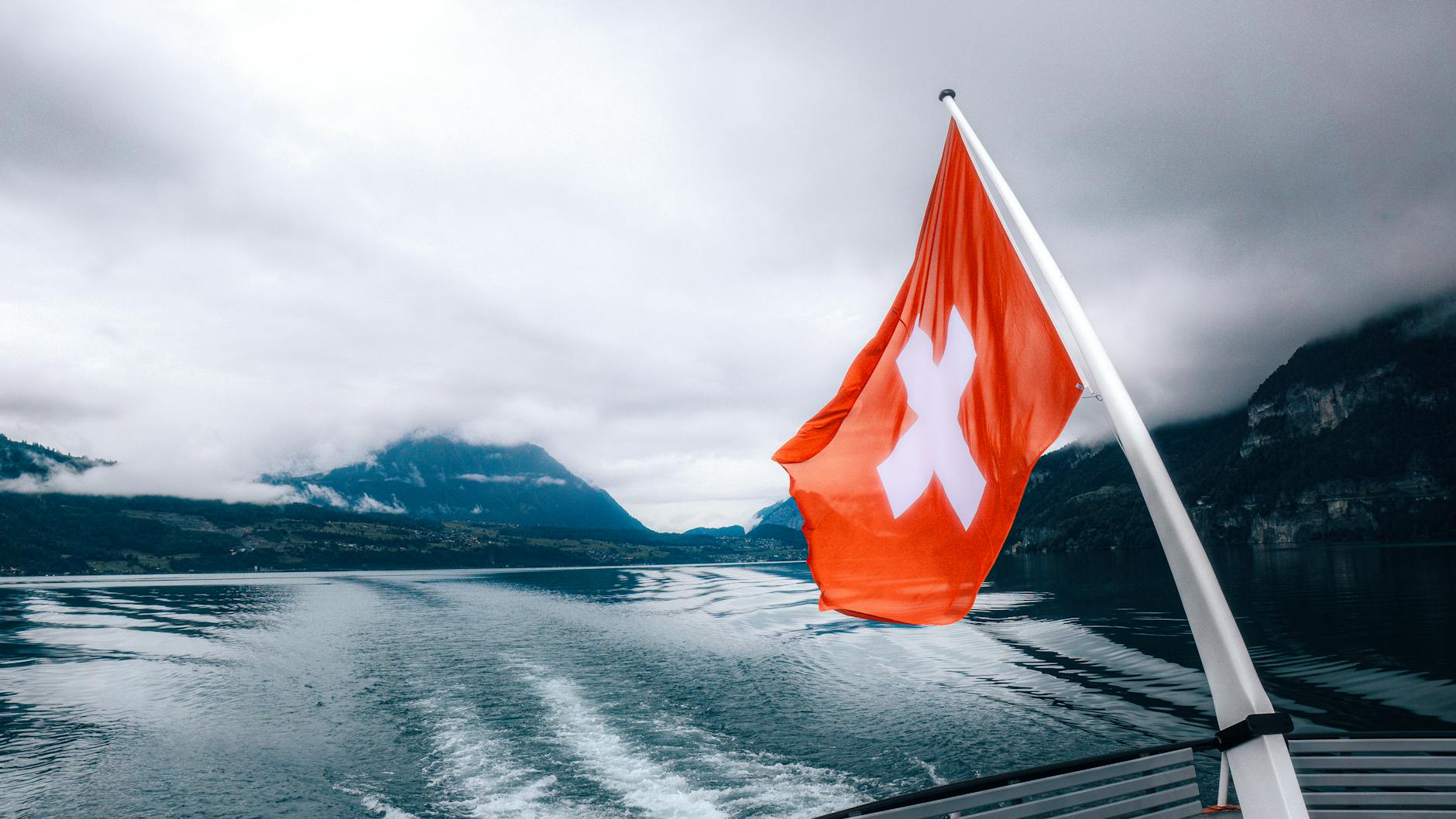
The WSchG reserves the Swiss coat of arms (the cross set in a triangular heraldic shield) to the Confederation and public bodies — private businesses generally may not use it. The Swiss cross itself (the white cross on a red field, i.e. the Swiss flag) may be used commercially: since 2017 it can be placed on goods and used in services by entities with a genuine connection to Switzerland — domicile in Switzerland is necessary but not sufficient; the product or service must also meet the substantive Swissness thresholds. Using the Swiss cross as a purely decorative element without the substantive connection is prohibited and actionable.
"Swiss Made" thresholds by product category
| Category | Minimum Swiss content | Additional requirements |
|---|---|---|
| Food products | ?80% of raw material weight from Switzerland | Processing or manufacturing must take place in Switzerland; exceptions for raw materials not available in CH (e.g., coffee, cocoa, tropical fruits) |
| Non-food natural products | Place-of-origin rule (not a weight %): mineral = place of extraction; plant = place of harvest; livestock = where the animal spent the majority of its life; game/fish = place of hunting or fishing | Activities giving the product its essential characteristics must occur in Switzerland |
| Industrial products | ?60% of manufacturing costs incurred in Switzerland (incl. R&D) | At least one essential manufacturing step must take place in Switzerland; cost calculation is complex — seek specialist advice |
| Services | No % threshold on materials | Registered office in Switzerland; key management decisions taken in Switzerland; majority of Swiss-based activity |
Infographic
Swissness Legislation — Key Thresholds
Requirements for using the Swiss cross, 'Swiss Made', and geographic indications
60%
Swiss cost share — industrial products
At least 60% of production costs must originate in Switzerland (Swissness Act, since 2017).
80%
80% of raw-material weight — foodstuffs
Foodstuffs must contain at least 80% Swiss raw materials measured by weight. Cosmetics fall under a separate "Swiss Made" Ordinance for Cosmetics (≥60% of manufacturing cost in CH plus ≥80% of R&D and production cost in CH).
2017
Swissness Act entry into force
Revised MSchG (Trademark Protection Act) tightened and codified the Swissness criteria.
IGE / IPI
Enforcing authority
Swiss Federal Institute of Intellectual Property monitors and enforces Swissness claims.

Industrial products: the 60% cost calculation
For industrial products — which include machinery, watches, medical devices, and most manufactured goods — the 60% threshold applies to manufacturing costs, not raw material weight. Manufacturing costs include direct labour, factory overhead, and qualifying R&D expenditure allocated to the product. Costs attributable to components sourced outside Switzerland do not count toward the 60%. The calculation must be documented and is subject to audit by IGE enforcement.
The "essential manufacturing step" requirement is equally important: even if 60% of costs are Swiss, the product cannot carry "Swiss Made" if the step that fundamentally determines its nature or quality occurs outside Switzerland. For watches, this means assembly, adjustment, and inspection must take place in Switzerland. For pharmaceutical products, formulation and quality-control batch release typically constitute the essential step.
The Swiss watch industry
The watch industry has its own layered regime. At the statutory level, the MSchG and WSchG thresholds apply. On top of that, the federal "Swiss Made" Ordinance for watches (SR 232.119) — binding federal law — specifies that the movement must be Swiss, the movement must be cased up in Switzerland, and the manufacturer must carry out final inspection in Switzerland. The Federation Horlogere (FH, Swiss Watch Industry Federation) lobbies for and polices these requirements but does not set them. The COSC (Controle Officiel Suisse des Chronometres) chronometer certification adds a further precision standard. Swiss watch brands still face the statutory Swissness thresholds and the federal watch ordinance regardless of FH membership.
Services: domicile plus genuine activity
For services, the Swissness criteria focus on the location of the service provider's management and operations rather than on a material-cost formula. A company registered in Switzerland qualifies only if its key management decisions are genuinely taken in Switzerland and it conducts substantial Swiss-based activity. A company registered in Switzerland but managed entirely from abroad, with all substantive work done offshore, cannot legitimately claim Swiss services. IGE has emphasised that mere letterbox presence is insufficient.
For financial services, legal services, and consulting firms — typical users of the "Swiss" designation for services — the requirement of Swiss domicile plus Swiss management is generally straightforward to satisfy if the firm genuinely operates from Switzerland. Goldblum & Partner AG, headquartered at Baarerstrasse 25, 6300 Zug, meets these criteria as a fully Swiss-domiciled and Swiss-managed firm.
Infographic
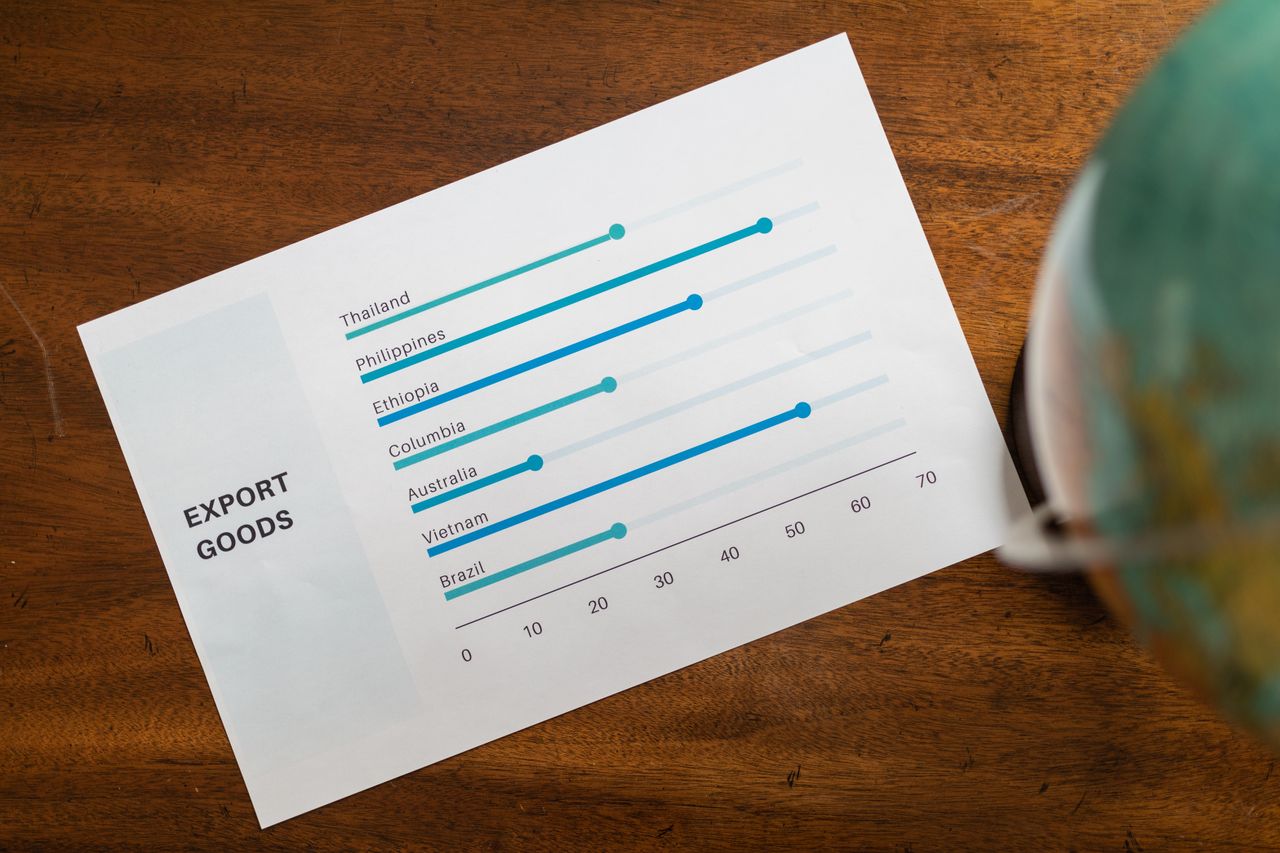
Swissness Requirement by Product Category
Minimum Swiss cost / content share required to claim Swiss origin
Enforcement and sanctions
The IGE (Institut fur Geistiges Eigentum — IPI in French/English, at ige.ch) is the primary supervisory authority. It can investigate complaints, issue warnings, and refer matters to cantonal prosecutors. Misuse of "Swiss Made" or the Swiss cross constitutes a criminal offence under MSchG Art. 64, punishable by a fine or — in serious cases — imprisonment. Civil remedies are also available: a competitor can seek an injunction and damages for unfair use of a Swiss geographical indication under UWG (Unfair Competition Act).
Who can bring a claim?
- ●Competitors harmed by unfair use of "Swiss Made" — UWG civil action
- ●Industry associations authorised to represent collective interests — MSchG Art. 56
- ●IGE — administrative proceedings and referral to public prosecutor
- ●Cantonal consumer protection authorities — in egregious mislabelling cases
Pharmaceutical and medtech
Swiss pharmaceutical and medical technology companies face a dual regime. The MSchG/WSchG Swissness thresholds govern the right to use "Swiss Made" in marketing. Separately, Swissmedic (the Swiss Agency for Therapeutic Products) governs regulatory compliance for the products themselves. Meeting Swissmedic requirements does not automatically satisfy the Swissness marketing criteria, and vice versa. Companies in this sector should obtain specialist advice covering both regimes.
Registering in Switzerland does not equal "Swiss Made": A company incorporated in Switzerland has the right to call itself a Swiss company. It does NOT automatically have the right to label its products "Swiss Made" or to use the Swiss cross on its products. Each product must separately meet the applicable MSchG/WSchG threshold for its category. IGE registration of a Swiss origin claim is not required, but maintaining documented evidence of compliance is strongly recommended — enforcement investigations can require rapid production of cost data, supplier records, and manufacturing logs.
Further reading
FAQ
Frequently asked
questions
Precise answers to the most common questions about forming a company in Switzerland. For specific advice on your structure, book a free consultation.
Free consultationOfficial Sources
- SECO — State Secretariat for Economic Affairs
Federal economic authority covering geographical-indication and Swissness policy background; supports the 'background and scope' section that…
- IPI — Swiss Federal Institute of Intellectual Property
Named on-page as the enforcing authority (ige.ch) but present only as plain text, and it is missing from the AUTHORITY-SOURCES whitelist entirely…
Free Consultation
Ready to incorporate
in Switzerland?
Speak with a Zug advisor. We'll review your structure, recommend the optimal entity type, and outline the timeline. No commitment — no pricing barrier at entry.
Baarerstrasse 25 · 6300 Zug · Switzerland · Est. 2007